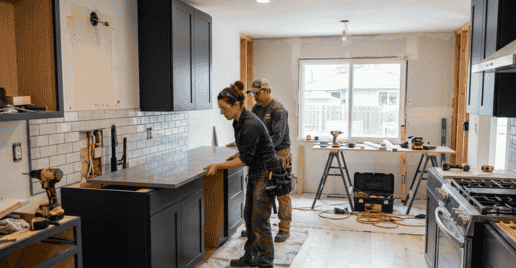
Extending your home in London can be a great way to add space, improve functionality, and boost property value. Before starting, understanding home extension planning permission in the UK is essential. Not all extensions need approval, but skipping permissions can lead to fines or legal issues. At Pino Construction, we guide London homeowners through every step of their home extension, ensuring projects are efficient, compliant, and successful.
What is a Home Extension?
A home extension is any addition that increases the size of your property. It could be a side extension, an extension to the building, or even one in front of the house. Whether it’s adding a new bedroom, kitchen, or loft space, planning ahead is essential to make the process smooth. This guide highlights 10 key factors to help you plan confidently and make your home extension a success.
1. Budget Planning
Before applying for home extension planning permission, have a clear budget. Consider all costs, including council fees, architect charges, construction materials, and unexpected expenses. Planning your budget early helps avoid delays and ensures your project is financially feasible.
2. Check if You Actually Need Permission
Not all extensions require planning permission. Some small projects fall under permitted development rules. Understanding whether your extension without planning permission under UK rules applies to your project can save you time and effort. Check with your local council to confirm if approval is required.
3. Understand Local Planning Rules
Every council has its own regulations. Familiarize yourself with local planning rules, including restrictions on height, style, and materials. Understanding these guidelines helps ensure your application is approved without revisions.
4. Prepare Required Documents
Applications for home extension planning permission require Related documents. These usually include site plans, floor plans, and elevations. Well-prepared paperwork increases the likelihood of quick approval and reduces the need for revisions.
5. Know Your Property Boundaries
Knowing your property limits is crucial for avoiding disputes. If your side extension planning permission or other types of extensions affect neighbors’ land, you might face objections. Accurately mapping boundaries ensures your extension fits within legal limits.
6. Consider Design and Aesthetics
Your extension should complement your existing home. Whether it’s an extension on home or a new conservatory, the design should be visually appealing and functional. Thoughtful planning also increases the chances of your planning permission being approved.
7. Impact on Neighbors
Extensions on homes can affect neighbors’ light, privacy, and views. Be considerate and discuss your plans with them beforehand. A well-communicated project reduces objections and promotes a positive relationship with the community.
8. Choosing the Right Builder
Hiring an experienced builder makes a real difference. Professionals like Pino Construction, with strong knowledge of planning permission for extension and London building standards, help deliver a safe, efficient, and fully compliant project.
9. Understand Timeframes
Planning permission can take several weeks or months in London. Starting the process early ensures you have enough time to submit accurate documents, handle any council queries, and schedule your construction smoothly. Proper planning helps prevent delays and keeps your home extension project on track.
10. Think About Future Changes
Plan your extension with the future in mind. Whether you might need another extension in front of the house or plan to sell later, a flexible design and layout can save time and money. Thinking ahead ensures your investment benefits you long-term.
Why Choose Pino Construction
Choosing the right team can save time, money, and stress during a home extension. At Pino Construction, our London-based experts help homeowners navigate planning permission, design, and construction with ease. With years of local experience and deep knowledge of council regulations, we ensure every project is legally compliant, efficiently managed, and delivered to the highest standards. Our commitment to quality and attention to detail makes home extensions smooth, successful, and tailored to each homeowner’s needs
Conclusion
Getting home extension planning permission right from the start makes the entire building process smoother and legally compliant. By considering budget, rules, design, neighbors, and professional support, you can build your dream extension confidently. Whether you’re planning a side extension, an extension on your home, or a completely new addition, these 10 steps help safeguard your investment. For expert guidance and reliable support throughout your project, Pino Construction provides London homeowners with a professional, seamless, and stress-free home extension experience.
FAQs
1. Do I always need planning permission for a home extension?
Not always. Some smaller projects fall under permitted development, but it’s best to check with your local council.
2. How long does planning permission usually take?
Typically, approval can take a few weeks to a few months, depending on the council and the complexity of your project.
3. Can a neighbor object to my extension?
Yes. Extensions affecting light, privacy, or boundary lines can lead to objections, which may delay approval.
4. What documents are required for a planning application?
Site plans, floor plans, elevations, and sometimes design statements are usually required.
5. Can I build an extension without planning permission in the UK?
Some minor extensions may not need permission under permitted development rules, but always confirm with your local council before starting.
Get a free site visit and a fixed-price quote.